
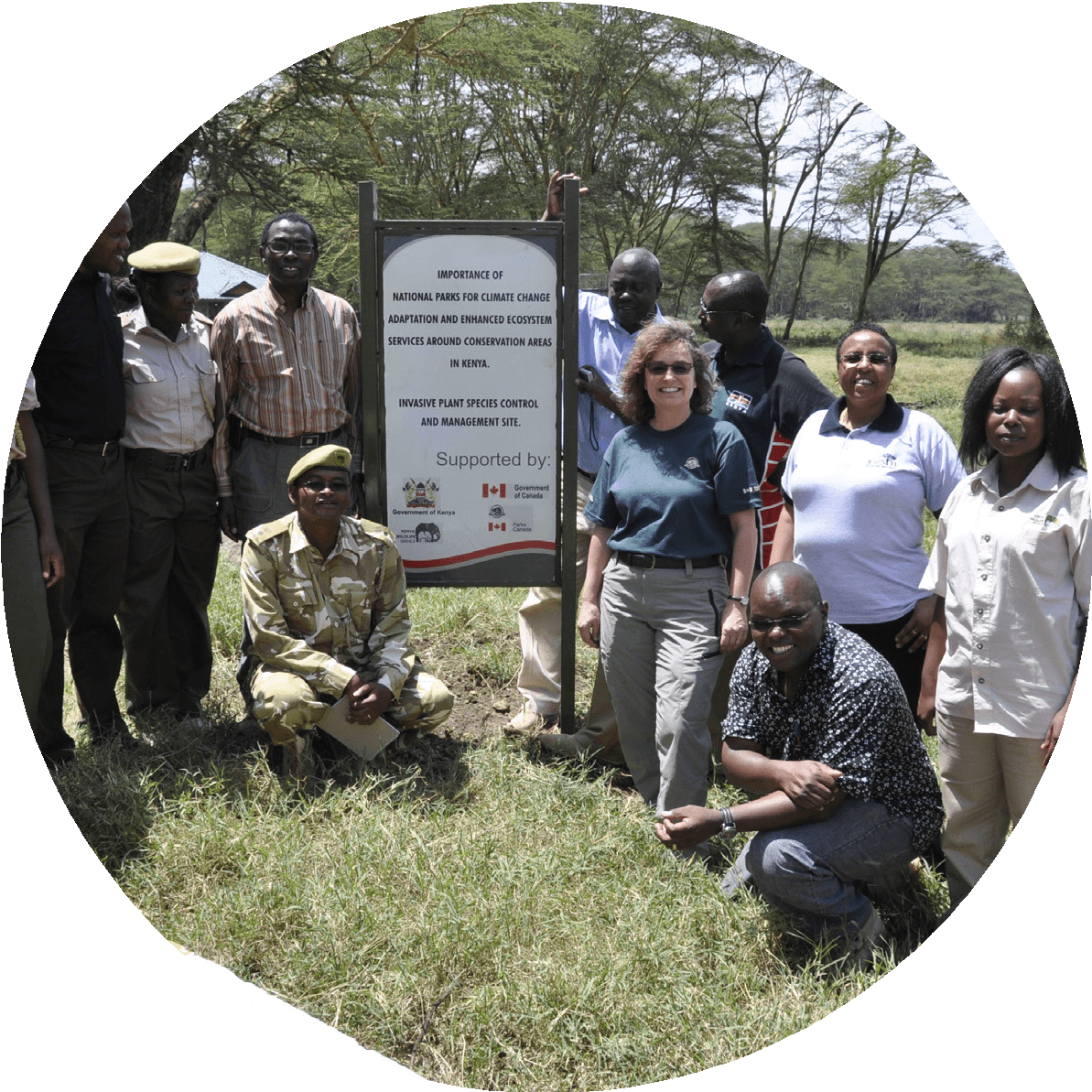
Young citizen scientists are using mobile technology to monitor flamingo populations and water quality at this UNESCO World Heritage Site.
Lake Bogoria, a UNESCO World Heritage Site in Kenya’s Rift Valley, is one of the most important flamingo habitats in the world. But rising temperatures, changing water levels, and pollution from upstream agriculture have threatened this delicate ecosystem.
A group of 40 young people from communities surrounding the lake have formed the Bogoria Youth Conservation Network, supported by a GEF-SGP grant. Equipped with smartphones, water testing kits, and training in citizen science methodologies, they monitor flamingo populations, water quality, and vegetation changes across the lake basin.
The youth have established three permanent monitoring stations and submit data monthly to the Kenya Wildlife Service and the Lake Bogoria National Reserve management. Their findings have already influenced water management policies upstream, leading to restrictions on certain agricultural chemicals.
Beyond the data, the programme has created a generation of conservation ambassadors. Several participants have gone on to study environmental science, and the network has inspired similar youth-led monitoring programmes at other Rift Valley lakes.